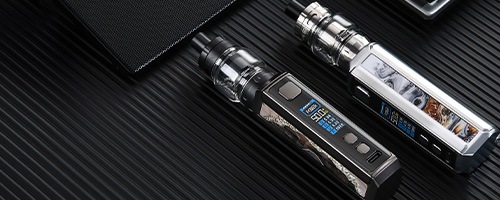

The disposable vape industry is entering one of its most turbulent phases yet. As U.S. regulators tighten their grip on nicotine vapes—especially those coming from overseas—brands, distributors, and retailers are being forced to confront new bottlenecks at every stage of the supply chain. From customs slowdowns to state-level origin bans, the 2025–26 landscape will look very different from what the industry has operated under for the last decade.
Below is a deeper look at what’s happening today, what to keep an eye on, and what businesses should be preparing for as we head into the next two years.
What’s Happening Now: Imports Under the Microscope
In 2024 and heading into 2025, disposable vape shipments manufactured abroad—particularly in China—are experiencing a surge in U.S. import scrutiny. Customs & Border Protection (CBP) has been detaining more containers, requesting additional documentation, or outright seizing shipments suspected of containing unauthorized or non-compliant nicotine vapes.
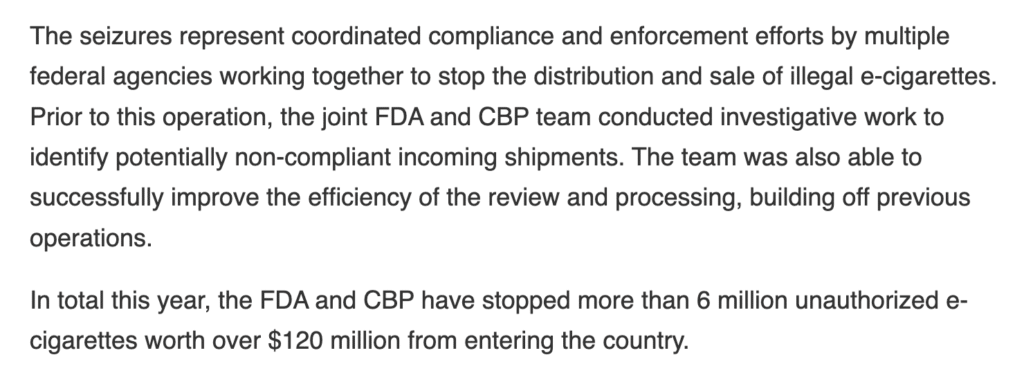
This heightened enforcement is largely tied to concerns about unauthorized ENDS products flooding the U.S. market. Even companies that focus solely on compliant nicotine vapes are feeling the pressure as CBP ramps up inspections and shippers respond by tightening their own internal checks.
At the state level, the landscape is becoming even more complicated. Texas recently enacted a sweeping ban affecting most disposable nicotine vapes, citing product origin, compliance issues, and national security concerns around sourcing from “foreign adversary” countries. According to reporting from KWTX, the restriction is broad enough that many products manufactured in China—or even assembled using Chinese-made components—could be prohibited.
As a result, distribution pipelines that have historically relied on China for manufacturing, assembly, or component sourcing are dealing with extended delays, higher rejection rates, and dramatically increased documentation requirements. For many businesses, simply getting nicotine vapes through customs has become a growing challenge.
What to Watch: The Pressure Points Emerging Now
Several supply-chain choke points are beginning to surface, and these will likely determine which brands can stay competitive in the nicotine vapes market over the next two years.
1. Rising Freight, Shipping & Inspection Costs
With customs backlogs growing, freight forwarders are increasing fees across the board. Containers that once flowed through U.S. ports with predictable timing now face variable delays, higher inspection charges, and unpredictable detention or demurrage costs.
2. Customs Delays Due to Documentation Issues
Mislabeling, improper import classifications, incomplete safety documentation, and unclear certificates of origin are creating multi-week delays. Customs officials are demanding more proof than ever that devices—especially disposable nicotine vapes—comply with federal import law.
3. Tariff Fluctuations & Component Reclassification
Changes to tariff schedules or shifts in how certain vape components are classified could raise the landed cost per unit. Even a small change in tariff codes can ripple across an entire distribution chain.
4. Verifying the True Origin of Components
One of the biggest emerging compliance risks revolves around “origin confusion.” Many devices involve components sourced from multiple countries before final assembly. If even one major component originates in a restricted or adversarial country, the entire shipment of nicotine vapes may be flagged.
5. “Assembled in the USA” Claims Under Scrutiny
Some manufacturers are marketing products as U.S.-assembled despite relying heavily on restricted-origin parts. Regulators are beginning to question these claims, and misleading labeling increases the risk of seizure or civil penalties.
6. Tracking Chain of Title From Factory to Distributor
Every step—from factory → freight forwarder → customs entry → domestic distribution—is under closer review. Businesses need airtight documentation to prove legal compliance throughout the entire chain. Missing or inconsistent paperwork can trigger delays, detentions, or rejections of nicotine vapes at the port of entry.
What’s Coming in 2025–26: The New Normal for Vape Imports
The next two years will likely bring even tighter restrictions, more state-level rules, and tougher logistics for companies sourcing overseas. For brands dealing in disposable nicotine vapes, this means preparing for a more complex and compliance-heavy import landscape.
Stricter Oversight for China-Origin Products
Federal and state agencies are expected to increase scrutiny of products manufactured in China, given the high prevalence of unauthorized disposables entering the U.S. market. More detentions, more inspection requests, and more documentation requirements should be anticipated.
More States Following Texas’ Lead
Texas’ new restrictions may become a blueprint for other conservative or enforcement-focused states. Expect legislation targeting manufacturing origin, supply-chain transparency, or “foreign adversary” sourcing—an approach that could impact a large portion of the nicotine vapes category.

Device Redesigns to Meet Origin Requirements
To avoid state bans or federal detentions, some manufacturers may shift toward sourcing components from compliant countries. That could mean full device redesigns, new supply-chain partnerships, or shifting assembly to locations with safer trade status.
Longer Lead Times & Slower Turnaround
As compliant factories modify production processes and documentation requirements expand, distributors will likely experience longer turnaround times from purchase order to shipment release. For companies relying on disposable nicotine vapes, forecasting and inventory planning will become more critical than ever.
Final Thoughts: The Industry’s Path Forward
The disposable nicotine vapes sector is no stranger to regulatory volatility—but the supply-chain pressure heading into 2025–26 is unlike anything the industry has experienced before. This time, it’s not just about product-level compliance. It’s about manufacturing origin, documentation integrity, and the ability to validate every component’s chain of custody.
Brands that proactively strengthen compliance systems, diversify suppliers, and prepare for longer lead times will be best positioned to navigate the next wave of enforcement.