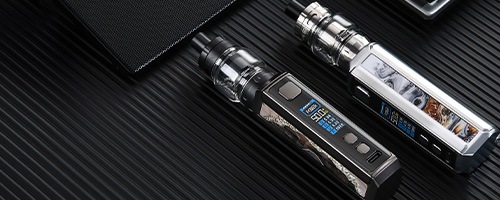

The U.S. vape market is entering one of its most tightly regulated eras. While demand continues to shift toward long-lasting disposable vape devices and premium refillable vape pen systems — especially those marketed as USA-made vapes — federal oversight hasn’t caught up. As a result, distributors must navigate a patchwork of approvals, enforcement updates, and ambiguous timelines that directly affect what they can legally sell.
Below is a breakdown of where FDA authorization stands going into 2026, what’s expected to change, and how distributors can protect themselves from regulatory risk.
What’s Happening Now
Despite the size of the industry, only a very small number of vape devices have received full FDA Marketing Authorization Orders (MAOs). The vast majority of disposable vapes and refillable devices circulating in the U.S. remain unauthorized, even those positioned as premium or USA-made.
Many manufacturers — including established brands — are still awaiting decisions on their Premarket Tobacco Applications (PMTAs). The FDA has publicly confirmed that only a handful of Electronic Nicotine Delivery Systems (ENDS) have been authorized, mostly limited to tobacco-flavored pod systems.
This landscape makes it increasingly difficult for distributors to predict which products — whether a trending long-lasting disposable vape or an imported budget model — will remain available through 2026.
What to Monitor
Authorized vs. Unauthorized Devices
The most important distinction for distributors is whether a product has been formally authorized:
- Authorized products have undergone full FDA scientific review and are legally permitted for sale.
- Unauthorized products are technically illegal to sell under federal law, regardless of state differences.
This applies equally to disposables, pod systems, and refillable vape pens.
Synthetic Nicotine Scrutiny
FDA authority expanded in 2022 to cover synthetic nicotine. These products remain under heavy review, and warning letters show that the agency continues to target synthetic-nicotine devices aggressively — particularly flavored disposables.
Slow FDA Decision-Making
The PMTA backlog remains massive. For distributors, this means most devices in their catalog — whether imported or USA-made — will likely remain in regulatory limbo throughout 2025–26.
Rising Enforcement Activity
FDA warning letters, retailer inspections, and import alerts offer the clearest clues about what products regulators are trying to remove from shelves. Many of the devices targeted have been long-puff or long-lasting disposable vape products imported from high-risk manufacturing regions.
What’s Coming in 2025–26
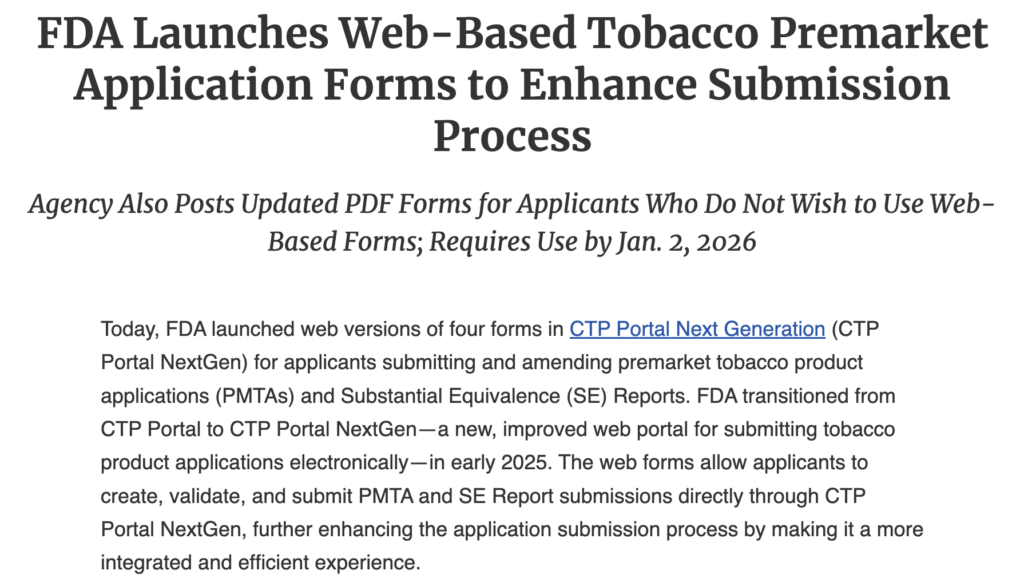
As federal attention intensifies, the FDA is expected to raise the bar for product approvals. Distributors should prepare for:
- Stricter PMTA thresholds for disposable devices
- Higher scientific evidence requirements, especially for flavored products
- mounting pressure from public health groups urging a full ban on flavored disposables**
- More aggressive enforcement on unauthorized imports, especially those with unclear manufacturing origins
- Greater expectations for supply-chain transparency, ingredient verification, and nicotine sourcing documentation
These trends will likely have a far-reaching impact on what products distributors can source — including higher-quality USA-made vapes and refillable systems that may become more appealing due to perceived regulatory stability.
Why This Matters for Distributors
Legal Liability: Selling unauthorized devices — disposable or refillable — increases the risk of FDA warning letters, seizures, civil penalties, and potential criminal charges.
Retailer Pressure: As enforcement tightens, retailers may refuse to carry products unless they appear on the FDA Authorized List. This will affect everything from flavor selection to the viability of long-lasting disposable vape models.
Inventory Instability: Distributors holding large quantities of unauthorized products risk losing inventory overnight if enforcement actions escalate or import restrictions tighten.
Brand Reputation: Distributors associated with non-compliant or questionable imports risk losing major accounts, especially as retailers begin prioritizing transparent manufacturers and USA-made vape alternatives.
State-Level Scrutiny: States are increasingly mirroring or expanding upon federal enforcement priorities, further limiting the shelf life of unauthorized ENDS products.
Distributor Action Checklist
To stay ahead of regulatory tightening, consider implementing the following:
- Verify authorization status for all devices using the FDA’s Authorized Tobacco Products database.
- Request full documentation from manufacturers — PMTA submissions, certificates of analysis, ingredient lists, nicotine source verification, and country-of-origin details.
- Avoid opaque suppliers or devices with no clear PMTA submission history.
- Maintain a compliance matrix identifying which SKUs are authorized, pending, synthetic-nicotine, or fully unauthorized.
- Prepare contingency plans for rapid inventory removal or product substitution.
- Educate retailers on the business and legal risks associated with unauthorized devices.
Diversify your portfolio with compliant or lower-risk product types — for example, transparent, documented refillable vape pens or reputable USA-made vape brands that may withstand regulatory pressure better than disposable imports.